
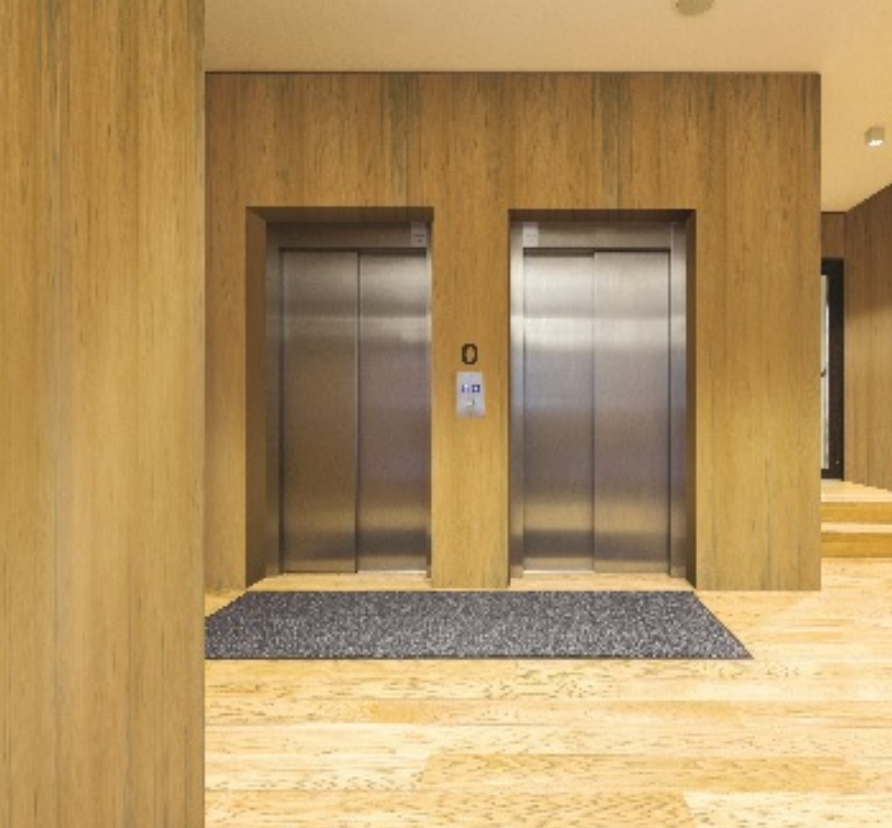
Hospitality establishments such as hotels, resorts and restaurants demand materials that convey warmth, authenticity and lasting quality, and teak wood veneer checks all the three boxes. With its rich grain patterns, natural tonal depth and timeless appeal, teak veneer has become a cornerstone material in spaces designed for people to stay, dine and unwind, while supporting both visual comfort and long-term performance. To help you explore its potential, this article walks you through how teak veneer can be used effectively across such spaces, starting with a quick look at what it is and why it continues to be a preferred material choice.
Also Read: Understanding The Versatile Charm of Teak Wood Furniture in Diverse Settings
Teak Wood Veneer: An Overview
Teak wood is widely recognised for its strength, stability and enduring visual appeal. Its natural grain structure and warm brown tones have made it a long-standing material choice in interior design. When teak is used as wood veneer, thin layers of real teak timber are carefully sliced and bonded onto a stable substrate. This construction retains the visual character of teak while addressing the limitations of solid wood. Compared to solid teak, veneer offers greater dimensional stability, reduced material consumption and easier application across large interior surfaces.
Common teak wood types used for veneer include:
- Burma teak wood: Known for its deep golden-brown tones and fine, straight grain, burma teak wood is often regarded as a premium reference for teak veneers with a rich, refined appearance.
- Indian plantation teak: Typically lighter in tone with slightly more variation in grain, plantation teak offers a balanced aesthetic that works well across a wide range of interior styles.
- African and South American teak varieties: These types tend to feature coarser grain patterns and lighter colouration, making them suitable for projects where a more relaxed or contemporary teak expression is desired.
The Natural Appeal of Teak Wood Texture
Teak wood texture plays a big role in how hotels, resorts and restaurants look and feel. Its natural grain and tonal depth help create a sense of ease and familiarity, resulting in calm, well-balanced settings.
- Rich colour depth: Teak displays a naturally layered colour range, from warm honey tones to deeper browns, adding visual depth without appearing heavy or overstated.
- Expressive grain movement: The flowing grain patterns of teak wood veneer introduce subtle variation across surfaces, preventing interiors from feeling flat or repetitive.
- Surface warmth: As a real wood material, teak carries an inherent warmth that softens interior spaces and balances harder elements such as stone, metal or glass.
- Natural visual comfort: The organic character of teak helps create a grounded and well-balanced look, supporting environments designed for relaxation and prolonged use.
Where Teak Wood Veneer Works Best
The versatility of teak wood veneer allows it to be used across different areas in hotels and restaurants, helping maintain visual consistency and long-term performance.
- Lobbies and reception areas: Commonly used on feature walls, counters and panelling, teak veneer helps establish a sense of warmth and material quality at entry points. Its natural grain adds depth without overwhelming large, open spaces.
- Guest rooms and suites: Applied to headboards, wardrobes, consoles and wall panels, wood veneer surfaces help create calm, well-designed interiors that make guests feel comfortable and at ease.
- Corridors and transitional spaces: Teak veneer is often used as wall cladding or detailing to maintain consistency across movement zones while softening long passageways visually.
- Restaurants, cafes and lounges: Used on walls, bar fronts, partitions and fixed seating, teak wood texture contributes to a relaxed, inviting ambience suited to extended occupancy.
- Furniture and built-in elements: From tables and storage units to fixed joinery, veneer allows consistent finishes across functional components without the weight of solid wood.
- Meeting and conference areas: Applied to wall panels, doors and furniture surfaces, teak veneer supports a professional setting while retaining a sense of warmth and approachability.
Design Ideas Using Teak Wood Veneer in Interiors
Designing with teak wood veneer is about expression as much as it is about material choice. By thoughtfully controlling grain, tone and surface treatment, designers can shape interiors that feel intentional, layered and visually comfortable.
- Using panelling as a design language: Teak veneer can be treated as a continuous surface rather than a finish, allowing panelling to define rhythm and proportion. Clean-lined layouts keep interiors balanced, while more articulated panel divisions introduce subtle visual interest without distraction.
- Grain orientation as a spatial tool: The direction of the grain plays a quiet but powerful role in how an interior is perceived. Vertical grains introduce structure and formality, while horizontal grains feel more relaxed and expansive. This makes grain direction an important design choice, not just a technical detail.
- Exploring tonal contrast and depth: Teak offers a natural tonal range that can be layered thoughtfully. Deeper veneers, including those inspired by burma teak wood, lend a sense of richness, while lighter tones keep spaces open and understated. Using tone in this way helps shape the mood without relying on added colours.
- Introducing tactility through surface texture: Incorporating textured wood veneer allows designers to add depth and shadow play to otherwise flat planes. Subtle ribbing or linear textures bring a tactile quality that enhances visual engagement, especially under controlled lighting.
- Balancing materials within a palette: Teak veneer works best when treated as part of a broader material composition. Pairing smooth veneer surfaces with stone, metal or soft furnishings creates balance and prevents the space from feeling overly uniform.
- Accentuating details with decorative treatments: Selective use of decorative veneer sheets can elevate specific design moments, such as framed panels or bespoke joinery details, adding character while keeping the overall language restrained.
Key Advantages of Teak Wood Veneer for Hospitality Projects
Teak wood veneer offers a balance of visual richness and practical performance, making it well-suited for high-use interior applications.
- Greater stability than solid teak: Veneer construction reduces the risk of movement caused by humidity changes in climate-controlled interiors.
- Efficient use of premium teak: Thin veneer layers allow wider surface coverage while using significantly less teak timber than solid wood.
- Naturally resilient material base: Teak’s inherent oil content supports resistance to decay and pests, contributing to long-term surface reliability when properly finished.
- Easier maintenance in high-use spaces: Finished veneer surfaces are simpler to clean and refresh compared to thick solid wood sections.
- Cost-effective teak aesthetics: Teak wood veneer delivers the look of premium teak without the cost and fabrication complexity of solid timber.
- Design flexibility at scale: Veneer allows consistent application across large walls, furniture and joinery without overwhelming the space.
Choosing the Right Teak Wood Veneer for Your Project
Selecting teak veneer for a project requires a balance of visual intent, material quality and long-term practicality. When chosen carefully, the right veneer helps maintain design consistency and ensures ease of use over time.
- Evaluate teak tone and grain character: Teak veneers range from lighter, understated tones to deeper, richer hues. Grain clarity and colour depth should align with the overall interior mood.
- Pay attention to surface texture: Authentic teak veneer has a smooth, slightly oily feel with a natural grain presence, supporting a refined and composed finish.
- Consider veneer thickness and build quality: Well-manufactured veneers balance durability with workability, allowing clean application across joinery and large surfaces.
- Plan for scale and surface coverage: Premium teak veneers work well for focal areas, while carefully matched selections allow cohesive treatment of larger zones.
- Assess lighting interaction: Teak veneer responds noticeably to light. Reviewing samples under actual lighting conditions helps ensure the surface reads as intended.
Also Read:Types of Veneers Offered by Mikasa Decowood and Their Applications in Interior Design
Bring Your Interior Vision to Life with Mikasa Decowood Veneers
Mikasa Decowood Veneers, a premium offering from Greenlam Industries, brings the enduring beauty of teak wood veneer into well-designed interiors through carefully crafted real-wood surfaces. From the richness of burma teak wood to a wide range of thoughtfully curated options, Mikasa’s veneer portfolio reflects a balance of elegance, durability and responsible sourcing. Recognised as one of the most trusted veneer brands in India, Mikasa represents consistent craftsmanship and design excellence. Explore the collection to design interiors that reflect warmth, character and lasting appeal. To discuss your project requirements or learn more about veneer options, call 1800 833 0004 or email info@mikasaveneers.com.